
Can luck really impact your casino success?
The Role of Luck in Gambling
Luck is often described as a chance occurrence that can dramatically influence outcomes in gambling. In the world of casinos, players frequently rely on luck to determine their success, believing that fortune favors them during their gaming sessions. This belief can significantly affect a player’s demeanor, decision-making, and overall experience. The thrill of the game is often heightened by the prospect that a lucky streak could lead to substantial winnings, especially when paired with smart betting strategies, making the casino atmosphere even more exhilarating.
However, the relationship between luck and gambling outcomes is complex. Many gamblers attribute their victories solely to luck while overlooking the strategic elements involved in various games. While spinning a roulette wheel or pulling the lever on a slot machine may seem entirely dependent on chance, understanding the odds and strategies involved can enhance a player’s success rate. This dichotomy raises questions about the true nature of luck and its role in gambling, suggesting that players must balance their reliance on luck with informed decision-making.
Ultimately, while luck plays a crucial part in determining short-term outcomes, it is vital to recognize that it operates within a broader context of probability and strategy. Careful planning and informed decisions can mitigate risks and enhance the player’s chances of winning, suggesting that luck, while impactful, is just one piece of a larger puzzle in casino success. Players who acknowledge this interplay can approach their gaming experience with a more holistic mindset, blending luck with strategic thought.
Games of Chance vs. Games of Skill
Casino games are broadly classified into two categories: games of chance and games of skill. Games such as slots, roulette, and craps are primarily dependent on luck, as the outcomes are random and cannot be influenced by skill or strategy. The anticipation of when or how luck will strike adds excitement to these games, and many players are drawn to the idea that a big win could happen at any moment, creating an adrenaline rush that keeps them coming back for more.
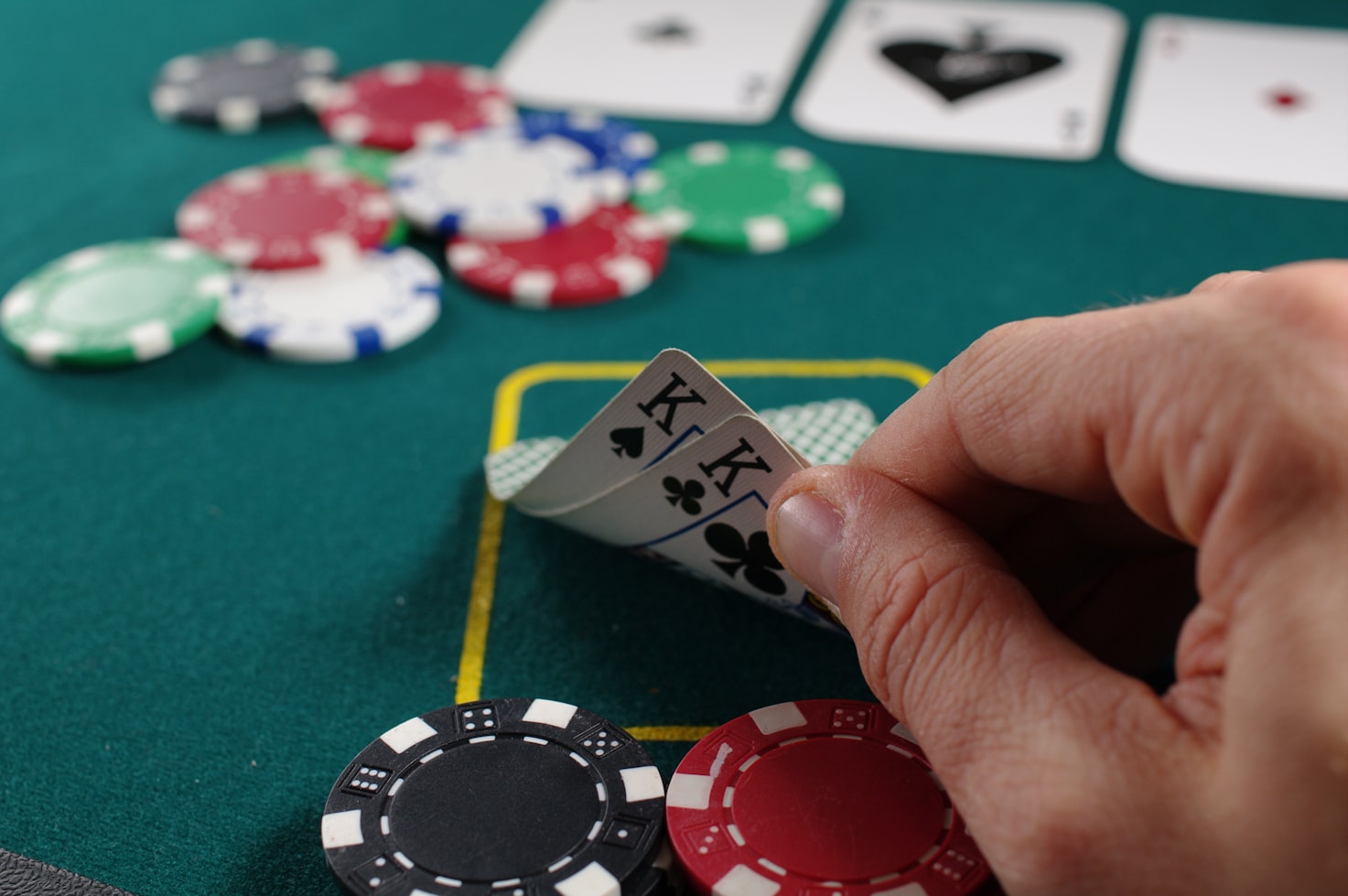
Conversely, games like poker and blackjack involve a significant skill component. Players who invest time in understanding the rules, strategies, and psychological aspects of these games often have a better chance of winning. The ability to read opponents, manage bets wisely, and employ effective strategies can tilt the odds in a skilled player’s favor. As such, while luck undoubtedly plays a part, skill can drastically affect a player’s overall success in the long term, making it essential for players to develop their gaming abilities.

This blend of luck and skill creates a unique environment in casinos where different types of players coexist. Casual gamers might be content relying on luck alone, while more experienced players engage in strategies to maximize their chances. Understanding this distinction is crucial for anyone looking to improve their odds and define their approach to casino gaming, allowing players to tailor their strategies based on their preferences and skill levels.
The Psychology of Luck in Gambling
The psychological influence of luck on gamblers cannot be understated. Many players enter a casino with the hope that luck will be on their side. This notion can create a sense of optimism and excitement, leading to a more enjoyable experience. When players experience a series of wins, they may develop a false sense of confidence, incorrectly believing they are on a lucky streak. This mindset often encourages them to continue gambling, sometimes leading to larger losses when luck inevitably shifts.
Furthermore, the narratives surrounding luck can impact decision-making processes. Gamblers often share stories of incredible wins attributed to luck, reinforcing the belief that fortune plays a significant role in success. These anecdotes can create a community where luck is celebrated and sought after, driving players to pursue experiences that validate their beliefs about fortune’s influence. However, it’s important for players to maintain a balanced perspective and avoid falling into the trap of believing that luck alone is a reliable strategy for winning.
Psychologically, understanding the role of luck can enhance a player’s approach to gambling. By acknowledging that luck is unpredictable and often fleeting, players can develop healthier gambling habits, focusing on strategy and enjoyment rather than solely seeking fortune. This mindset can diminish the emotional rollercoaster that often accompanies gambling, leading to a more sustainable and satisfying gaming experience, where players enjoy the game for its entertainment value rather than just its potential rewards.
Strategies to Manage Luck and Risk
While luck is an inherent part of casino gaming, players can adopt various strategies to manage risk and enhance their overall experience. One primary strategy is bankroll management. Setting limits on how much to gamble can help mitigate losses and ensure that the player remains in control of their gaming sessions. By establishing a budget and sticking to it, players can enjoy the thrill of the game without succumbing to the financial pitfalls associated with chasing luck, creating a more responsible gambling environment.
Another effective strategy involves understanding the odds associated with different games. Many casinos provide information about payout percentages and house edges, which can help players make informed decisions. By opting for games with better odds, players can increase their chances of winning over time, thus reducing the reliance on luck. Engaging with games that require skill also allows players to utilize strategy to influence outcomes, further decreasing the random nature of luck-based gaming.
Lastly, players should consider adopting a mindful approach to gambling. This involves recognizing emotional triggers that influence behavior at the casino, such as loss aversion or the desire for immediate gratification. By being aware of these psychological factors, players can better manage their expectations and develop a more strategic mindset, enabling them to differentiate between luck-driven outcomes and those influenced by skill and strategy. This awareness can ultimately lead to a more enjoyable and balanced gambling experience.
Your Path to Casino Success
For players seeking to improve their casino experience, understanding the complex interplay between luck and skill is essential. While luck undoubtedly impacts outcomes, it’s vital to approach gaming with a balanced perspective that incorporates strategy and thoughtful decision-making. By recognizing the limits of luck and emphasizing skillful play, players can position themselves for long-term success within the casino environment, making their gaming experiences more rewarding.
Moreover, engaging in ongoing research and education about the games being played can empower players to make informed decisions. Whether through reading articles, watching tutorials, or practicing on simplified versions of games, honing one’s skills and knowledge can provide a significant edge. This approach fosters not only better gameplay but also a deeper appreciation for the nuances of each game, enhancing the overall enjoyment of the gambling experience.
Ultimately, achieving success in a casino setting is about more than just luck. By taking a proactive and strategic approach, players can harness the power of both luck and skill, ensuring a more enjoyable and potentially profitable gaming experience. Whether one finds themselves at the tables or playing slots, the journey of understanding luck’s role in success can lead to greater satisfaction and achievement in the world of gambling, allowing players to navigate the casino landscape with confidence.
